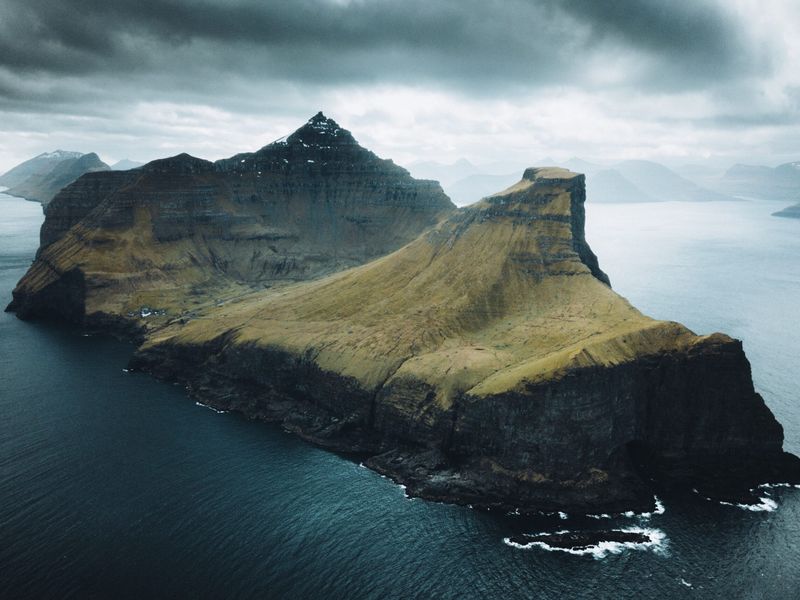
The Faroe Islands are a remote North Atlantic archipelago situated between Iceland, Norway and Scotland, where dramatic sea cliffs, rolling green mountains and windswept coastlines showcase some of the Nordic region's most spectacular scenery.
Shaped by the forces of the ocean and settled by Norse Vikings more than a thousand years ago, the islands boast a rich cultural heritage that remains deeply connected to the sea, traditional farming and close-knit communities.
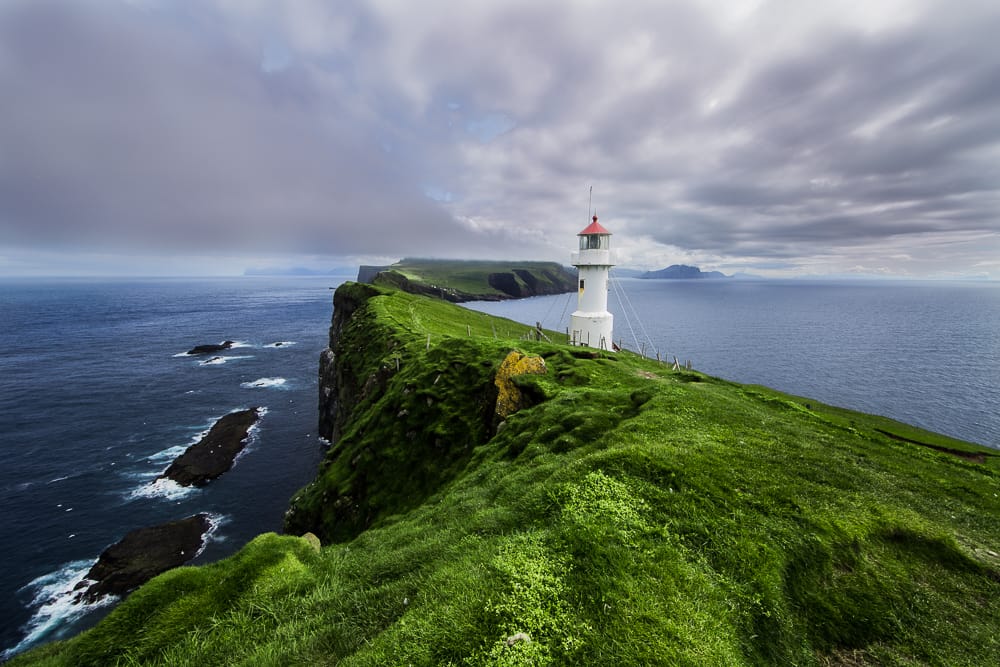
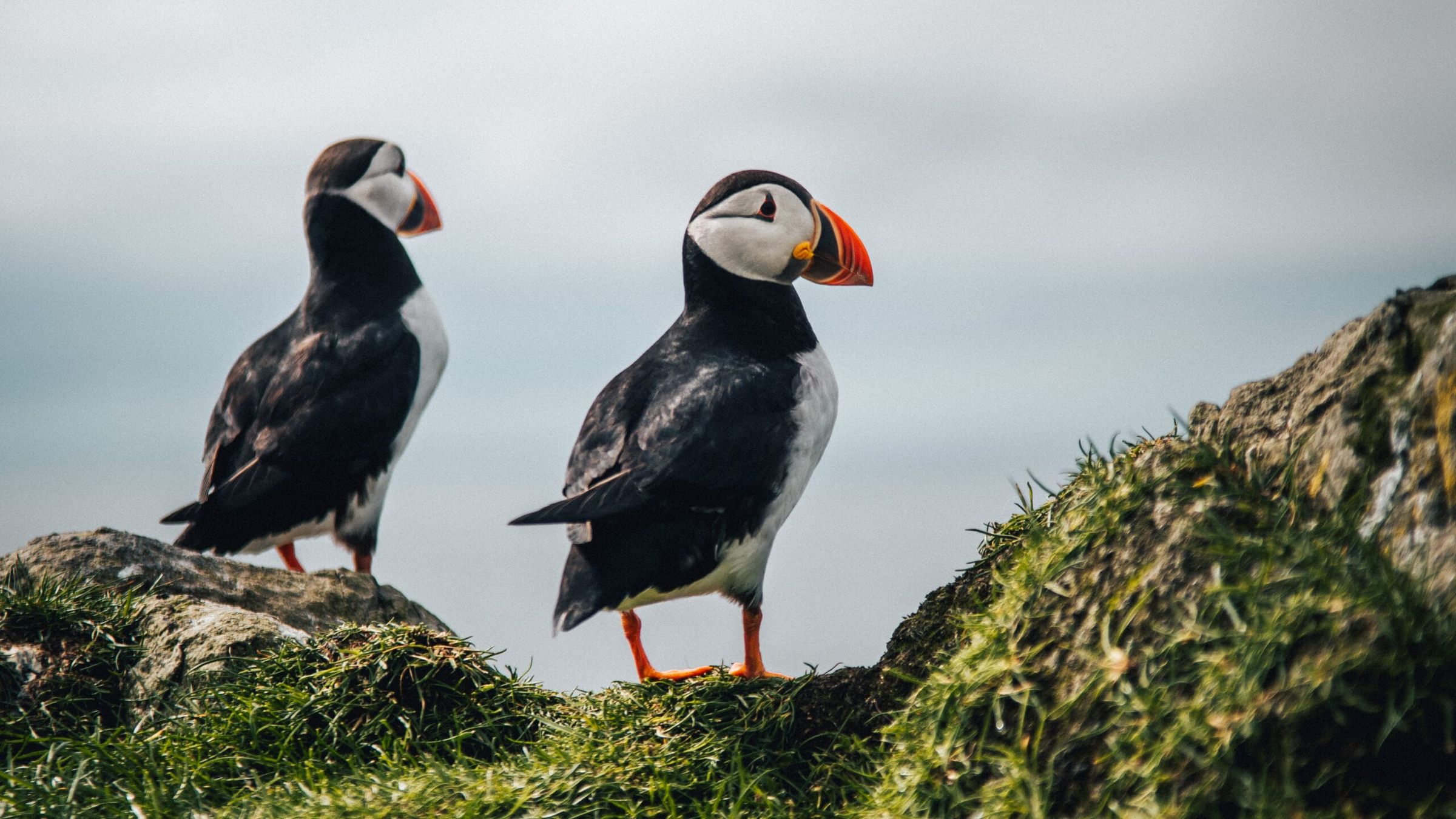
From the picturesque harbour of Tórshavn, one of the oldest parliamentary capitals in the world, to the remote villages scattered across the archipelago, the Faroes enchant in every season. Hike to the iconic Kallur Lighthouse on Kalsoy, stand above the breathtaking Sørvágsvatn, the famous "lake above the ocean", or venture to the summit of Slættaratindur, the highest peak in the Faroe Islands. Sail beneath the dramatic Vestmanna bird cliffs and the striking Drangarnir sea arch, explore narrow sea caves and encounter thriving seabird colonies, including the islands' famous puffins. Scenic roads, subsea tunnels and ferries connect dramatic fjords, remote islands and spectacular viewpoints, making exploration both effortless and rewarding.
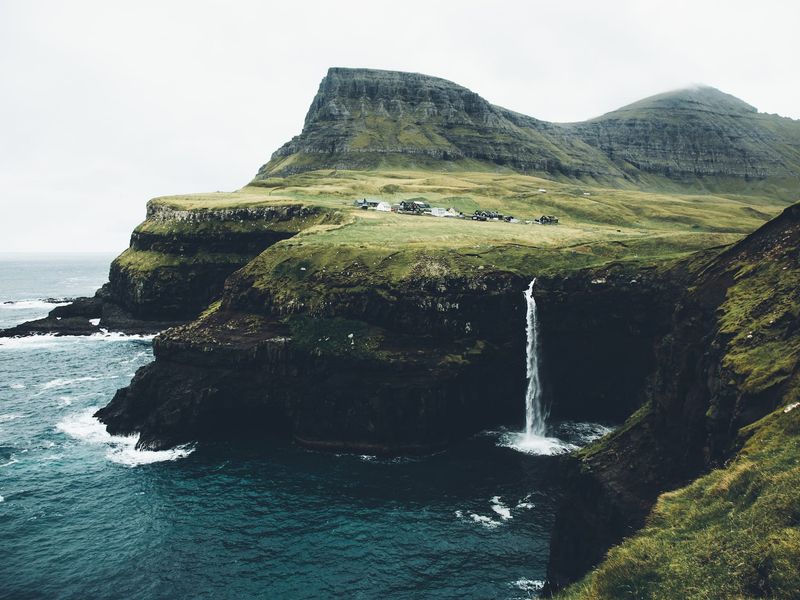
Beyond the scenery, the Faroe Islands are known for their strong connection to nature, rich maritime heritage and thriving culinary scene. Wander through charming fishing communities with traditional turf-roofed houses, savour freshly caught seafood, ræstur fiskur (fermented fish), tender Faroese lamb and skerpikjøt, the islands' famous wind-dried mutton and experience the warmth of Faroese hospitality. Whether kayaking along pristine coastlines, photographing dramatic waterfalls or simply embracing the tranquillity of the North Atlantic, the Faroe Islands offer an authentic and deeply rewarding escape into nature.
Seasons
The Faroe Islands can be visited throughout the year, with each season offering its own unique charm.
The most popular months are from May to September, when longer daylight hours, greener landscapes and milder temperatures create ideal conditions for hiking, sightseeing and photography. Summer also brings abundant birdlife, including puffins nesting along the dramatic cliffs.
Spring and autumn offer fewer visitors and striking natural colours, while winter showcases the islands' wild beauty, atmospheric weather and cosy local culture.
Did you know? There are more sheep than people in the Faroes, a reflection of the islands' long farming traditions and rugged landscapes.
Explore the Faroe Islands and enquire about a Faroes tour today!